2% salicylic acid has quietly become the default
if you've ever tried a salicylic acid serum, there's a good chance it was at a 2% concentration. 2% has quietly become the default. not because it's the ideal dose for most people, but because it's the maximum concentration allowed over the counter, and "maximum strength" sells.
here's the problem: for a lot of skin, especially sensitive, dry, or combination skin, 2% is more than it needs and more than it can comfortably tolerate. the result is a familiar cycle. you start strong, your skin stings or flakes, you back off to once a week, and eventually the bottle migrates to the back of the drawer. the ingredient gets blamed. but the ingredient was never the problem. the dose was.
what salicylic acid actually does
salicylic acid is a beta hydroxy acid (bha), and it has one property that makes it special among exfoliating acids: it's oil-soluble. while water-soluble acids like glycolic and lactic acid work on the skin's surface, salicylic acid can travel into your pores, dissolving the bonds that glue dead skin cells together and clearing out the mix of sebum and buildup that leads to congestion, rough texture, and blemishes.
it's also mildly anti-inflammatory (it's chemically related to aspirin), which is why it can calm redness at the same time that it exfoliates.
none of these benefits require a 2% concentration. research and dermatologist guidance consistently place the effective range for over-the-counter salicylic acid at 0.5% to 2%. the low end of that range isn't a watered-down version of the high end. it's the same mechanism, working more gradually, with far less collateral irritation.

the real secret? consistency beats intensity
here's the part that most "maximum strength" marketing skips over: exfoliating acids deliver results through consistent use over weeks, not through individual intense applications.
a 2% serum you can only tolerate once a week delivers less total benefit than a 1% serum you use five nights a week. and the 1% routine comes without the stinging, flaking, and barrier damage that make people quit. lower intensity means less irritation. less irritation means you actually use it. and actually using it is the entire game.
this is the same logic dermatologists apply when starting patients on any active: begin low, stay consistent, let the skin adapt. a lower dose isn't the beginner's compromise. for many people it's the sustainable long-term choice.
some signs 2% salicylic acid might be too much for your skin
you might be a better match for a lower concentration if:
your skin stings, burns, or turns pink after applying a 2% product
you get dry, flaky patches in the days after using it
you've relegated your bha to "once in a while" because daily use is too harsh
you have sensitive or reactive skin, or you're also using a retinoid
you bought a salicylic acid product, used it three times, and quietly gave up
why we formulated a-gel at 1% salicylic acid
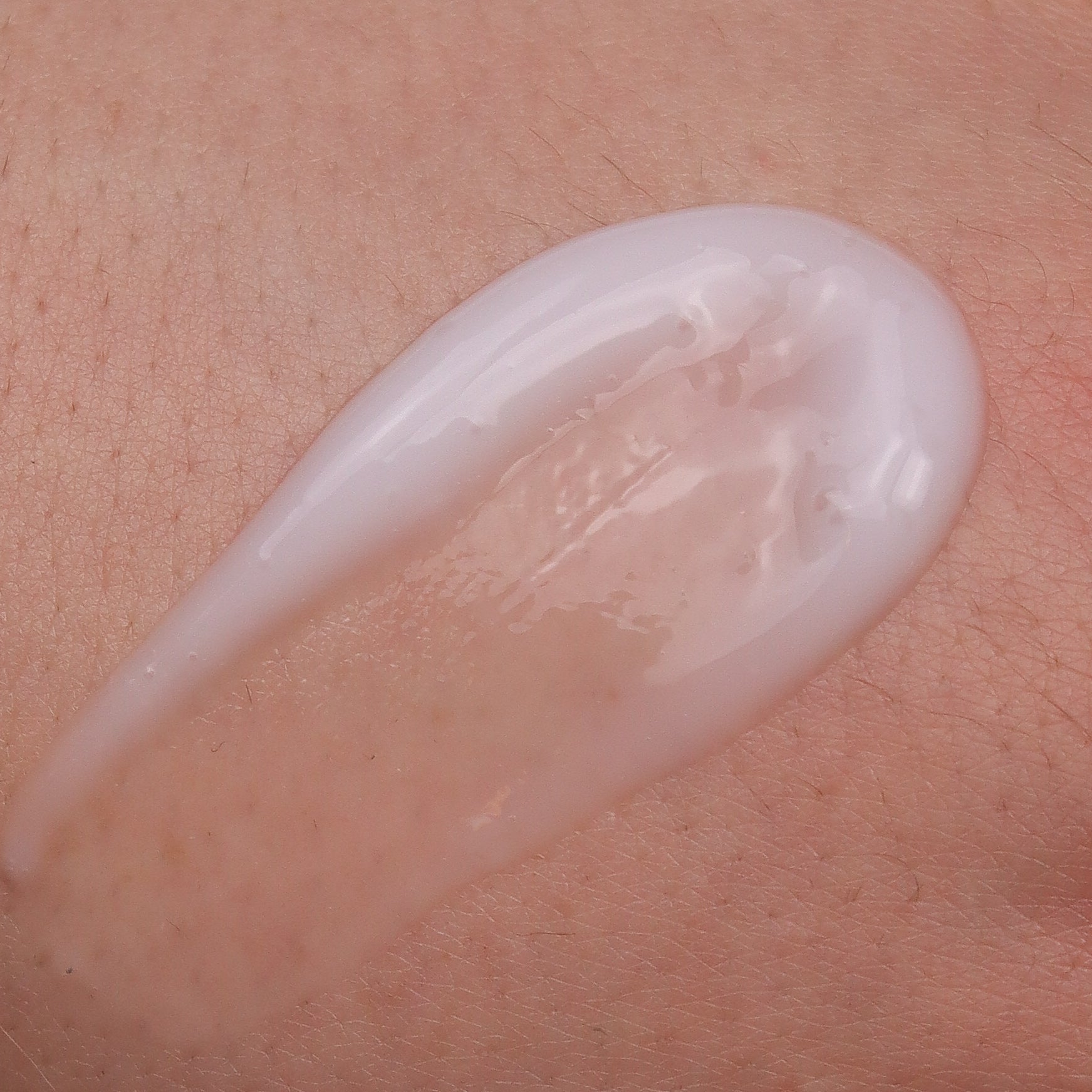
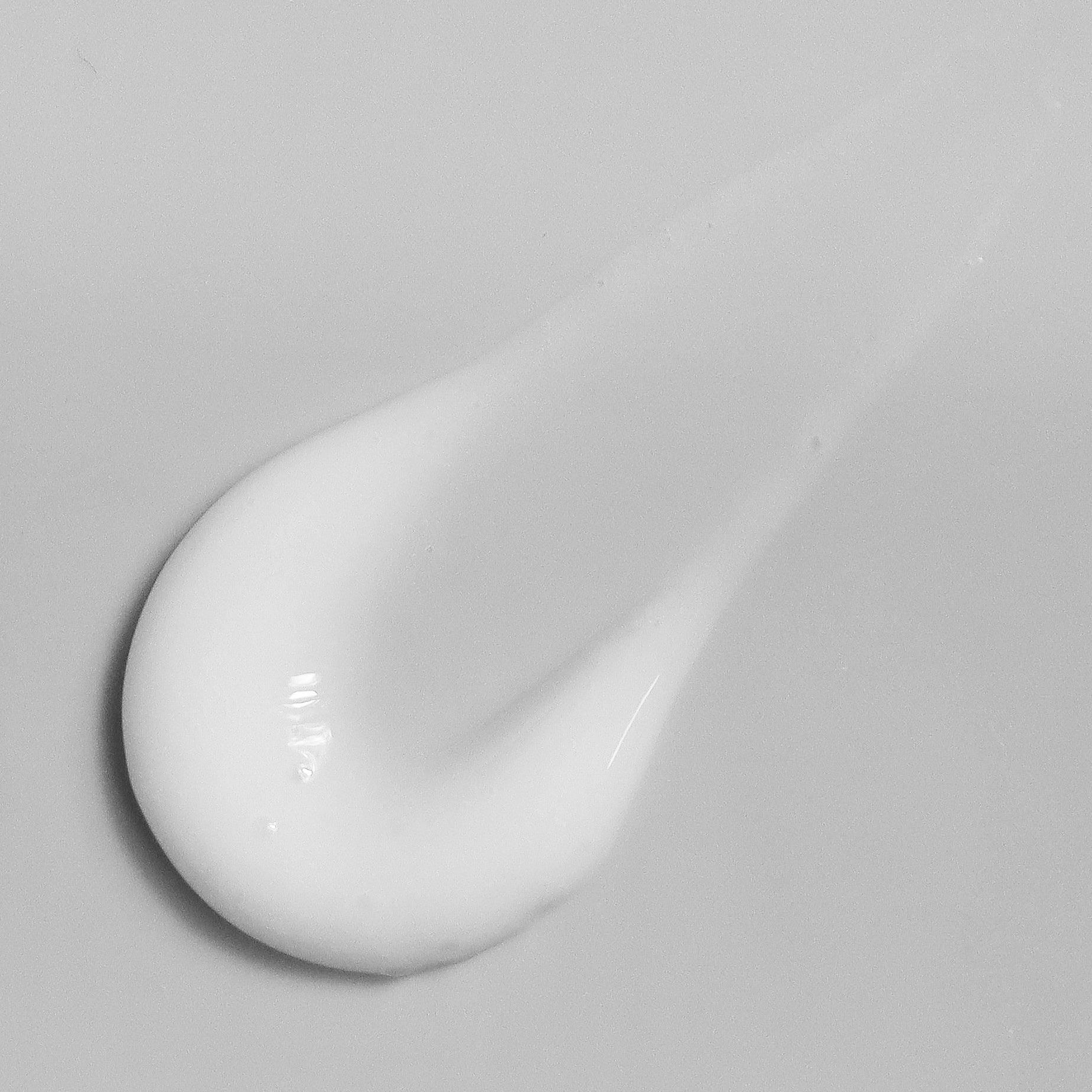
this is exactly the thinking behind a-gel, our 1% salicylic acid gel serum. instead of chasing maximum strength, we paired a gentle 1% dose with a cushioning, hydrating base of squalane, betaine, and dimethicone, so the formula supports your skin barrier while the salicylic acid works on texture and congestion.
the goal is a bha you can use consistently, comfortably, for the long term. because the best salicylic acid serum isn't the strongest one. it's the one you'll still be using in six months.

how to use a low-dose salicylic acid product like a-gel
start 2-3 times per week on clean, dry skin, after cleansing and before moisturizing.
watch how your skin responds for two weeks. mild tingling that fades quickly is normal; persistent stinging or flaking means slow down.
increase gradually. at 1%, many people can work up to daily or even twice-daily use, something that's rarely comfortable at 2%.
wear sunscreen. all exfoliating acids increase sun sensitivity.
don't stack acids. skip other exfoliants (aha, other bha products) and be cautious combining with retinoids while your skin adjusts.
frequently asked questions:
is 1% salicylic acid effective? yes. salicylic acid is considered effective for exfoliation and pore-clearing across the 0.5%-2% over-the-counter range. a 1% concentration delivers the same mechanism as 2% with a gentler pace and a much lower risk of irritation, which typically means more consistent use and better long-term results.
can I use 1% salicylic acid every day? many people can, once their skin has adjusted. that's one of the main advantages of a lower dose. start 2-3 times per week and increase gradually. daily use at 2% is much harder for most skin to tolerate.
is 1% salicylic acid good for sensitive skin? it's one of the better-suited exfoliating options for sensitive skin, especially in a formula with barrier-supporting ingredients. patch test first, introduce it slowly, and stop if you experience persistent irritation.
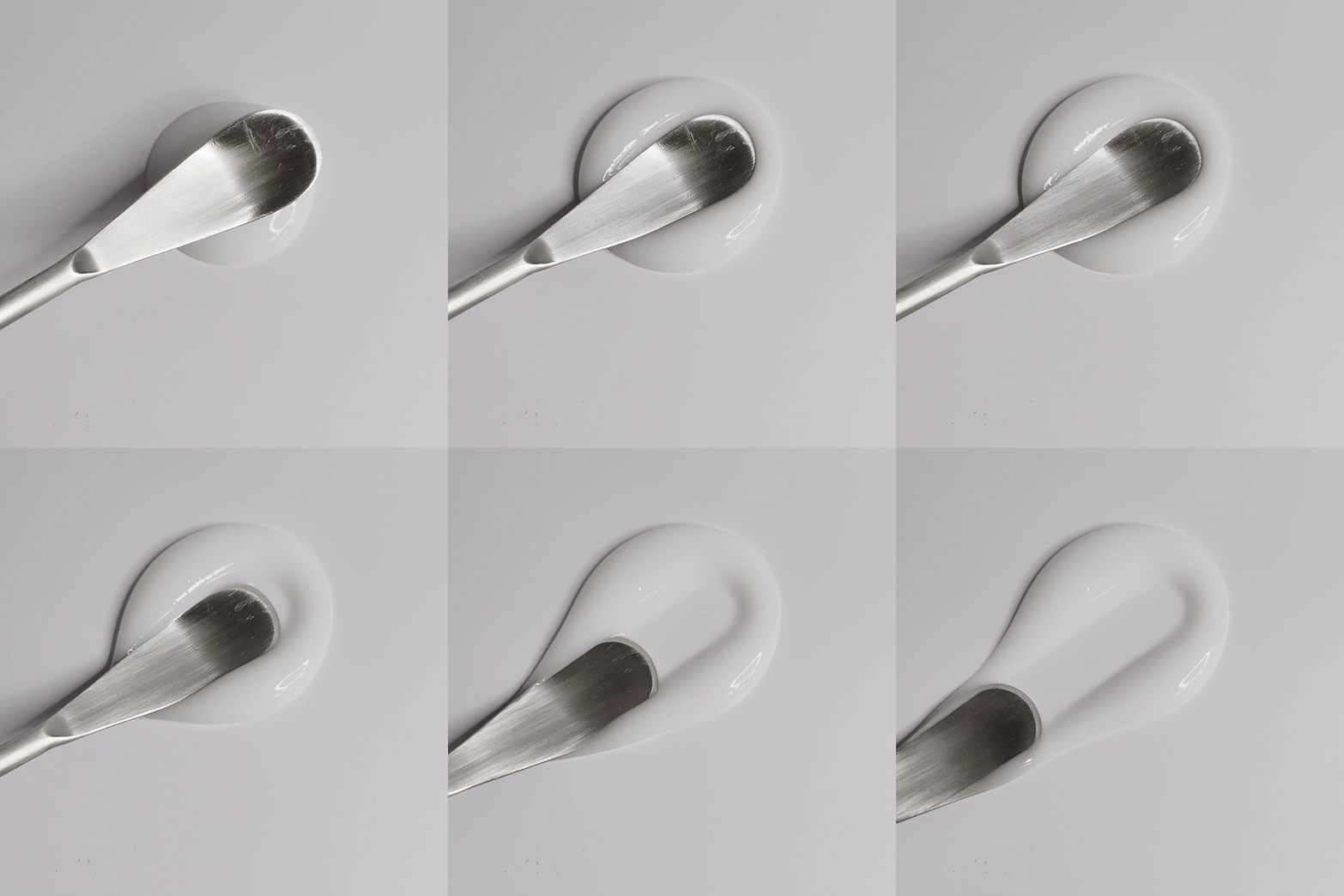
what's the difference between a salicylic acid gel and a serum? mostly texture. gels tend to be lightweight and water-based; serums can be thinner or more concentrated in feel. a-gel is both: a plush gel-serum hybrid that absorbs fast with no sticky finish.
Featured product



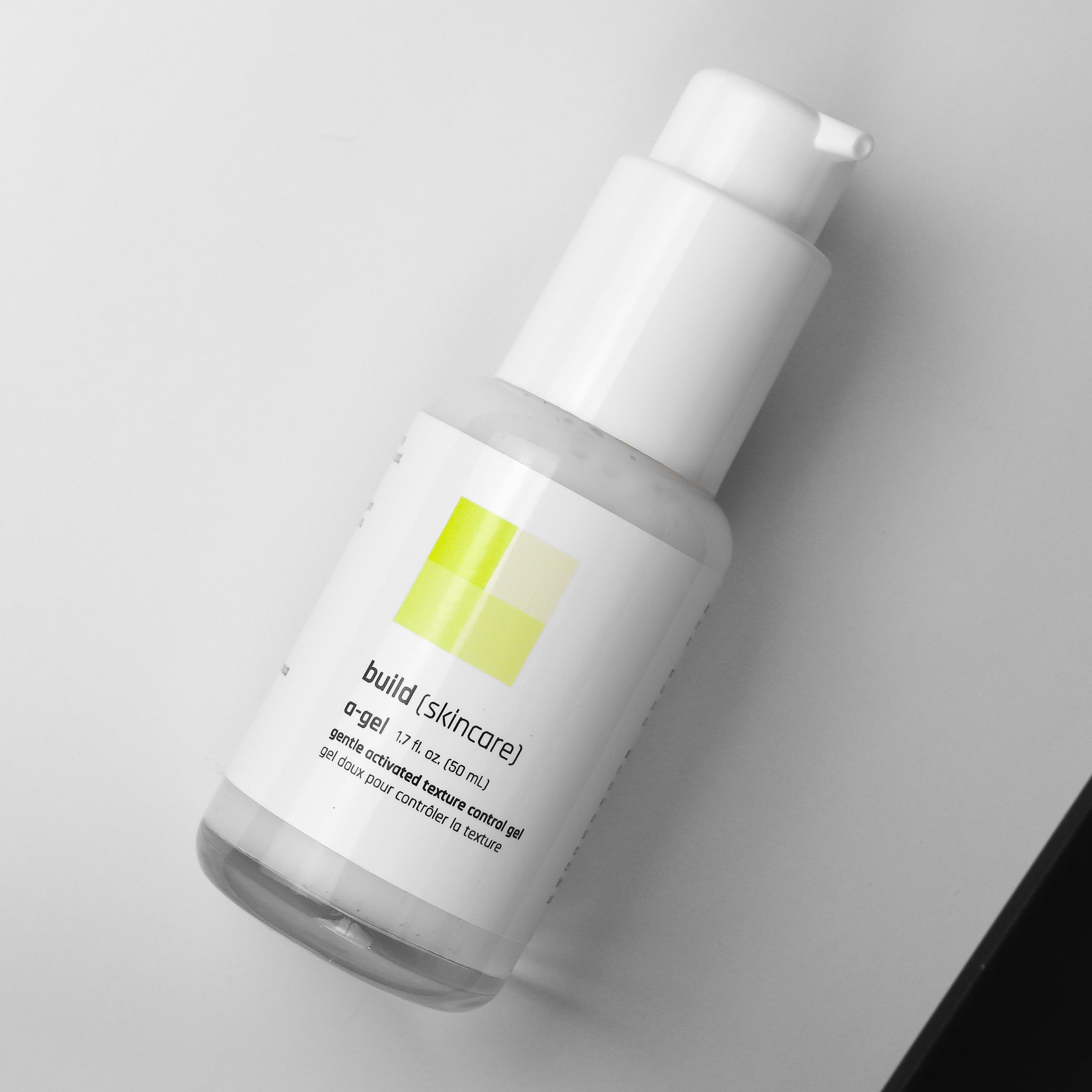
gentle activated texture control gel
1.7 fl. oz. (50 mL)
$27.00 cad
Pickup currently not available
build a routine with a-gel
every routine starts with the basics. here’s how a-gel fits in to give your skin the care it needs without complication.