

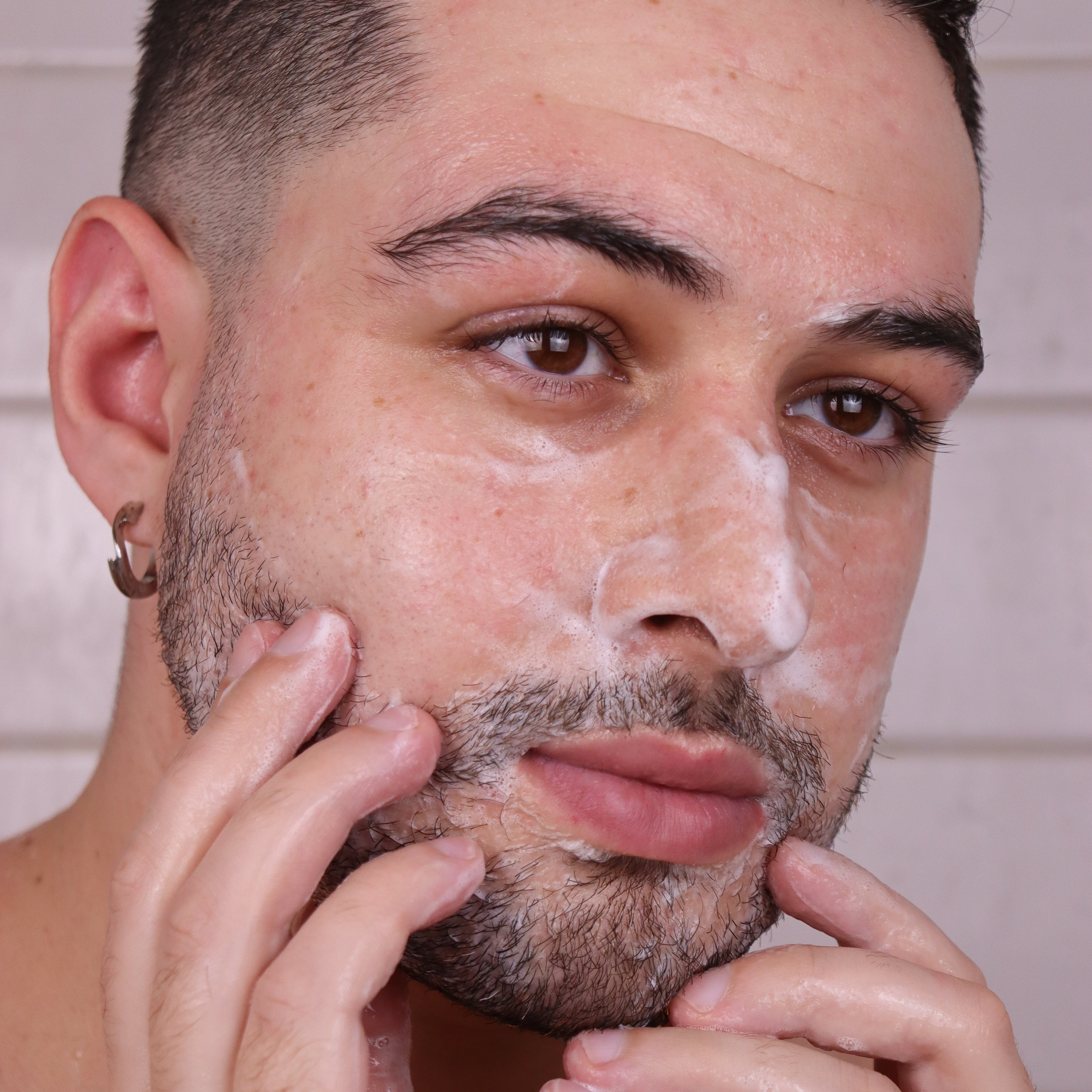
powder cleansers are having a moment, and most of the ones you'll find are exfoliants.
open any list of the best powder face washes and you'll see the same formula repeated: rice powder, papaya or papain enzymes, sometimes clay, sometimes a fine physical scrub. these are good products. they're also, almost without exception, designed to do something to your skin beyond cleaning it.
that matters, because a lot of people arrive at powder cleansers for a completely different reason. they want something gentle. they've had bad experiences with foaming cleansers that leave their face tight. they want fewer ingredients or less packaging. and then they buy an enzyme powder, use it daily as their regular cleanser, and end up over-exfoliated and confused about why their skin got worse.
so here's the guide we wish existed: what powder cleansers actually are, the two very different types, and how to tell which one you're buying.
what is a powder cleanser?
a powder cleanser is exactly what it sounds like: a facial cleanser sold in dry form. you tip a small amount into your palm, add water, and it activates into a lather, foam, or cream depending on the formula. you cleanse, rinse, and you're done.
removing the water from a cleanser changes a few things:
- it needs fewer preservatives. water is what microbes grow in. a dry formula doesn't have that problem.
- it's more concentrated. you aren't paying to ship water, and a small bottle lasts a long time.
- it can't leak, and it isn't a liquid. which matters more than you'd think when you travel.
- you control the strength. more water, lighter texture. less water, richer texture. that dial doesn't exist with a liquid cleanser.
type 1: enzyme & exfoliating powders
this is the dominant category. these formulas contain enzymes (usually papain from papaya, bromelain from pineapple, or protease/lipase blends), rice powder, clay, or fine physical exfoliants. when activated with water, they break down the bonds between dead surface skin cells or physically buff them away.
what they're good at: brightening, smoothing rough texture, addressing dullness and congestion.
what to know: they're a treatment step, not a daily cleanser. most are best used two or three times a week. used every day, especially alongside other actives, they can compromise your barrier and leave skin sensitized, red, or ironically drier than when you started.
who they suit: people specifically looking to exfoliate, with resilient skin, who already have a gentle daily cleanser for the other nights.
type 2: gentle, non-exfoliating powders
far less common, and much harder to find. these use the powder format purely for its formulation advantages (fewer preservatives, concentration, control over texture) without adding exfoliating enzymes or scrub particles. they clean, and that's it.
what they're good at: being your everyday cleanser, morning and night, without doing anything to your skin barrier that needs recovering from.
who they suit: sensitive, dry, or reactive skin. anyone using actives elsewhere in their routine who doesn't want a fourth exfoliating product. anyone who simply wants a cleanser that cleans.
b-wash is this second type. it's a powder that transforms into a velvety cream on contact with water, with no enzymes, no scrub particles, and no exfoliating acids. it's the format's benefits without the treatment.

powder to cream vs. powder to foam
a second distinction worth understanding, because it determines how the cleanse actually feels.
powder to foam is the common one. these lather up, feel squeaky-clean, and suit oily skin that likes that sensation. the trade-off is that foaming agents are typically the most stripping part of any cleanser.
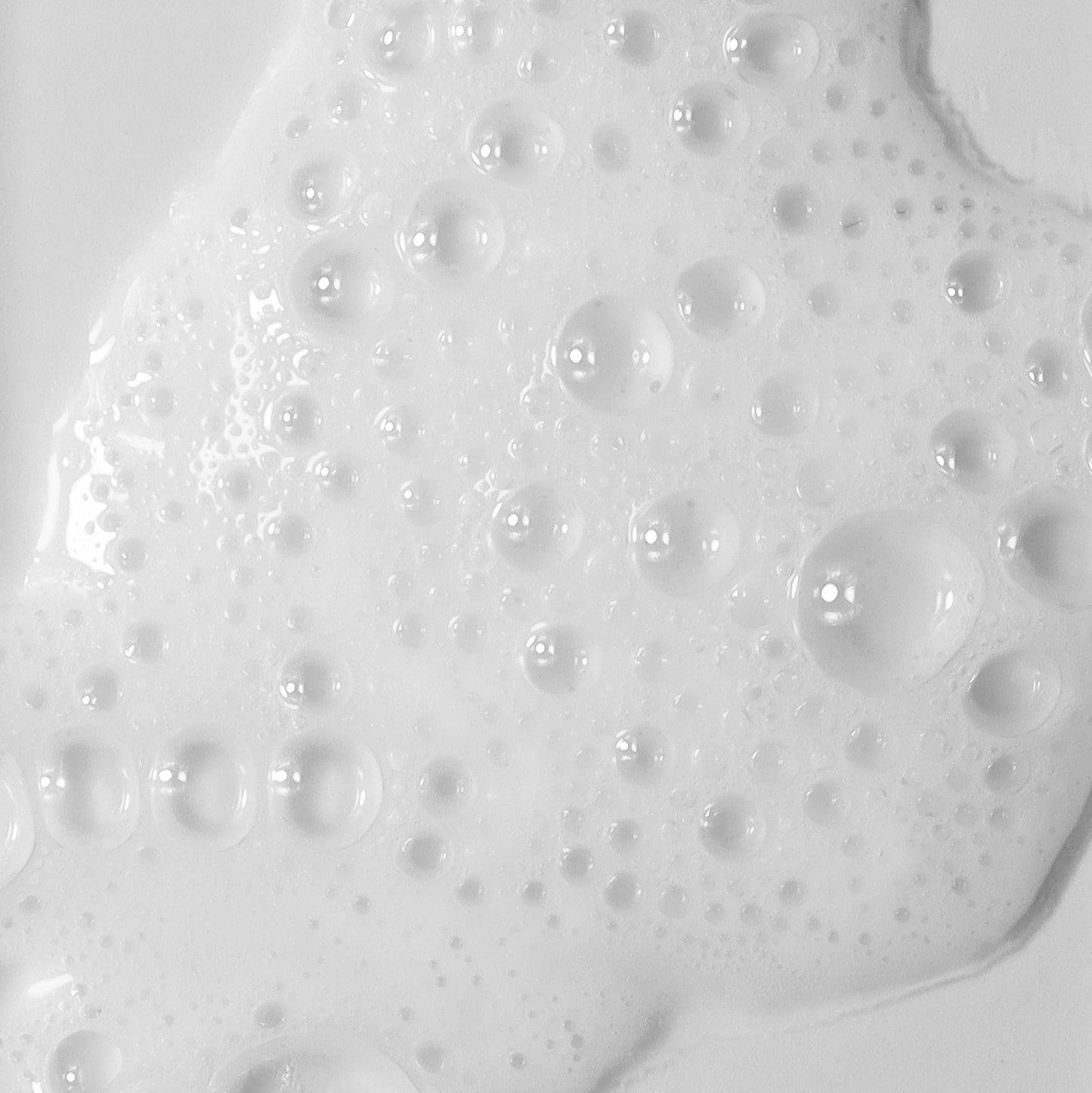
powder to cream is rarer. b-wash goes from a soft, non-grainy powder to a velvety cream that cushions on the skin rather than foaming. if the phrase "my face feels tight after washing" is familiar to you, that tightness is what a cream-textured cleanse avoids.
you also control it: less water gives you a rich, slippery cream, more water gives you something lighter and closer to a soft lather. same product, adjusted to your skin, your season, or your morning versus your evening.
how to use a powder cleanser
if you're using an enzyme powder, limit it to two or three times a week. if you're using a gentle non-exfoliating powder, daily is fine, morning and night.
shake a small amount into a dry palm. roughly a quarter teaspoon for most faces.
add water gradually. start with a few drops and work up. less water means a richer, creamier texture; more water thins it out.
emulsify between your palms until it becomes smooth and even.
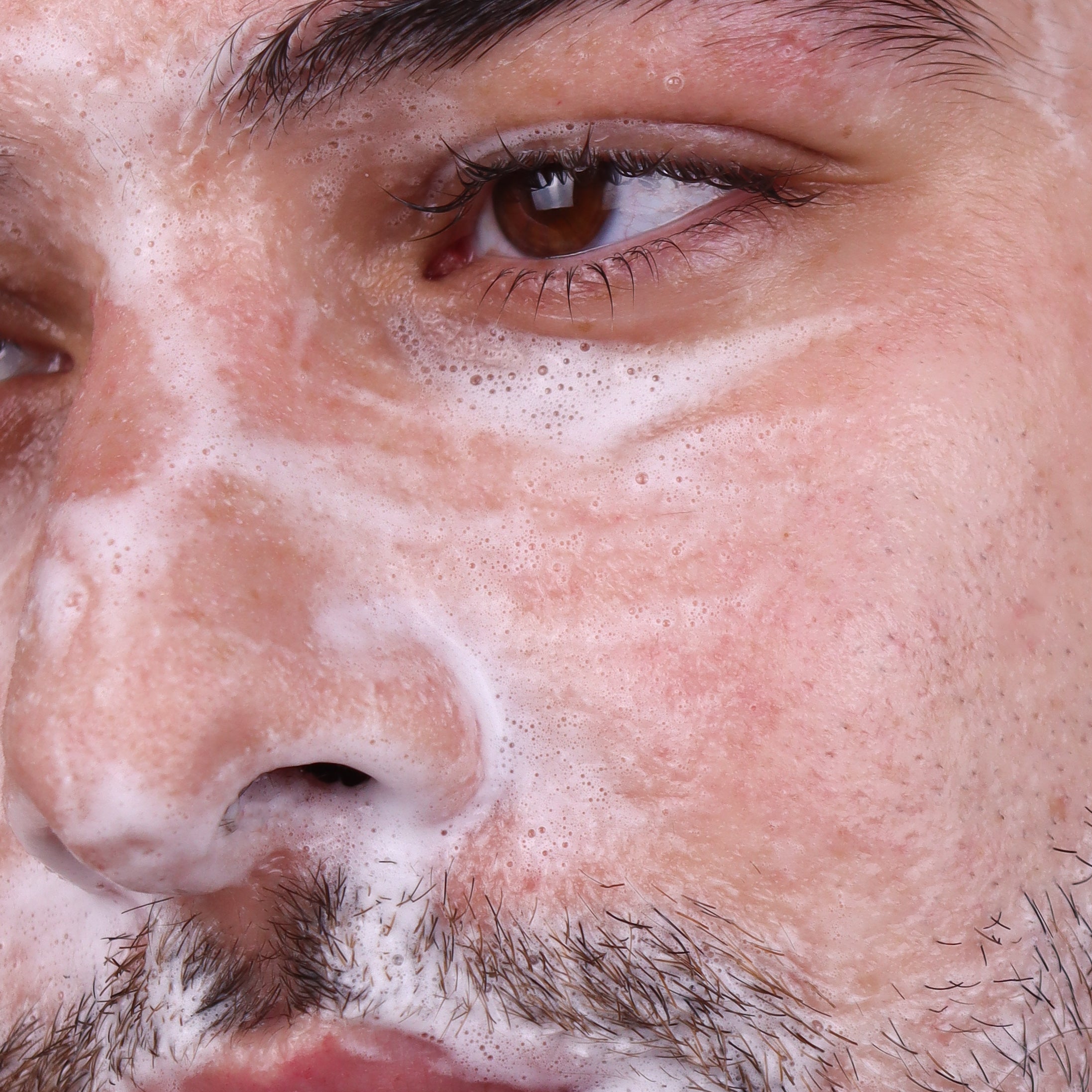
massage onto damp skin for about 30 seconds, avoiding the eye area.
rinse with lukewarm water and pat dry.
is a powder cleanser good for dry or sensitive skin?
it depends entirely on which type you buy, which is the whole point of this article.
an enzyme or scrub powder used daily on dry or sensitive skin is a reliable way to end up with a compromised barrier. a gentle, non-exfoliating powder is one of the better options available, because you can dial the texture to be as rich and cushioning as your skin needs on a given day.
look at the ingredient list. if you see papain, bromelain, protease, lipase, or rice bran alongside language about brightening and polishing, it's an exfoliant. if you don't, and the brand talks about gentleness and daily use, it's the other kind.
a note on diy powder cleansers
"diy face wash powder for dry skin" and "homemade face wash powder" are common searches, and the usual suggestions are baking soda, rice flour, or besan. we'd gently steer you away from baking soda in particular: it's highly alkaline, and your skin's surface is meant to be mildly acidic. regular use disrupts that balance and weakens the barrier. rice flour is less aggressive but still an abrasive with no cleansing agents in it, so it isn't really washing your face so much as scrubbing it.
the appeal behind these searches is real, though: simple ingredients, no unnecessary additives. that's a reasonable thing to want from a cleanser. it just doesn't require improvising in your kitchen.
the travel advantage
worth mentioning because it's the practical benefit people discover after they buy: a powder cleanser isn't a liquid. it doesn't count toward carry-on liquid limits, it can't leak into your bag, and a small bottle weighs almost nothing while lasting through several trips.
if you've ever decanted cleanser into a travel bottle and found it emptied into your toiletry kit at altitude, the appeal is immediate.

frequently asked questions
what is a powder cleanser?
a facial cleanser sold in dry form that activates with water into a lather, foam, or cream. removing water means fewer preservatives, a more concentrated formula, no leaking, and the ability to control the texture by how much water you add.
are powder cleansers exfoliating?
most are. the majority contain enzymes like papain or protease, rice powder, or fine physical exfoliants, and are best used two to three times a week. a minority are non-exfoliating and formulated for daily use. check the ingredient list for enzyme names to tell the difference.
is a powder cleanser good for sensitive skin?
a gentle, non-exfoliating powder cleanser can be an excellent option for sensitive skin, especially a powder-to-cream formula you can make as rich as you need. an enzyme powder used daily is likely to be too much.
can you use a powder cleanser every day?
if it's non-exfoliating, yes, morning and night. if it contains enzymes or scrub particles, limit it to two or three times a week to avoid over-exfoliating.
what's the difference between powder-to-foam and powder-to-cream cleansers?
powder-to-foam formulas lather and give a squeaky-clean feeling, which suits oily skin but can be stripping. powder-to-cream formulas turn velvety rather than foamy, cushioning the skin during cleansing, which suits dry and sensitive skin better.
how much powder cleanser should i use?
about a quarter teaspoon into a dry palm, then add water gradually until it reaches the texture you want.
build a routine with b-wash
every routine starts with the basics. here’s how b-wash fits in to give your skin the care it needs without complication. new to simple routines? here's how to build a 3-step skincare routine.

