

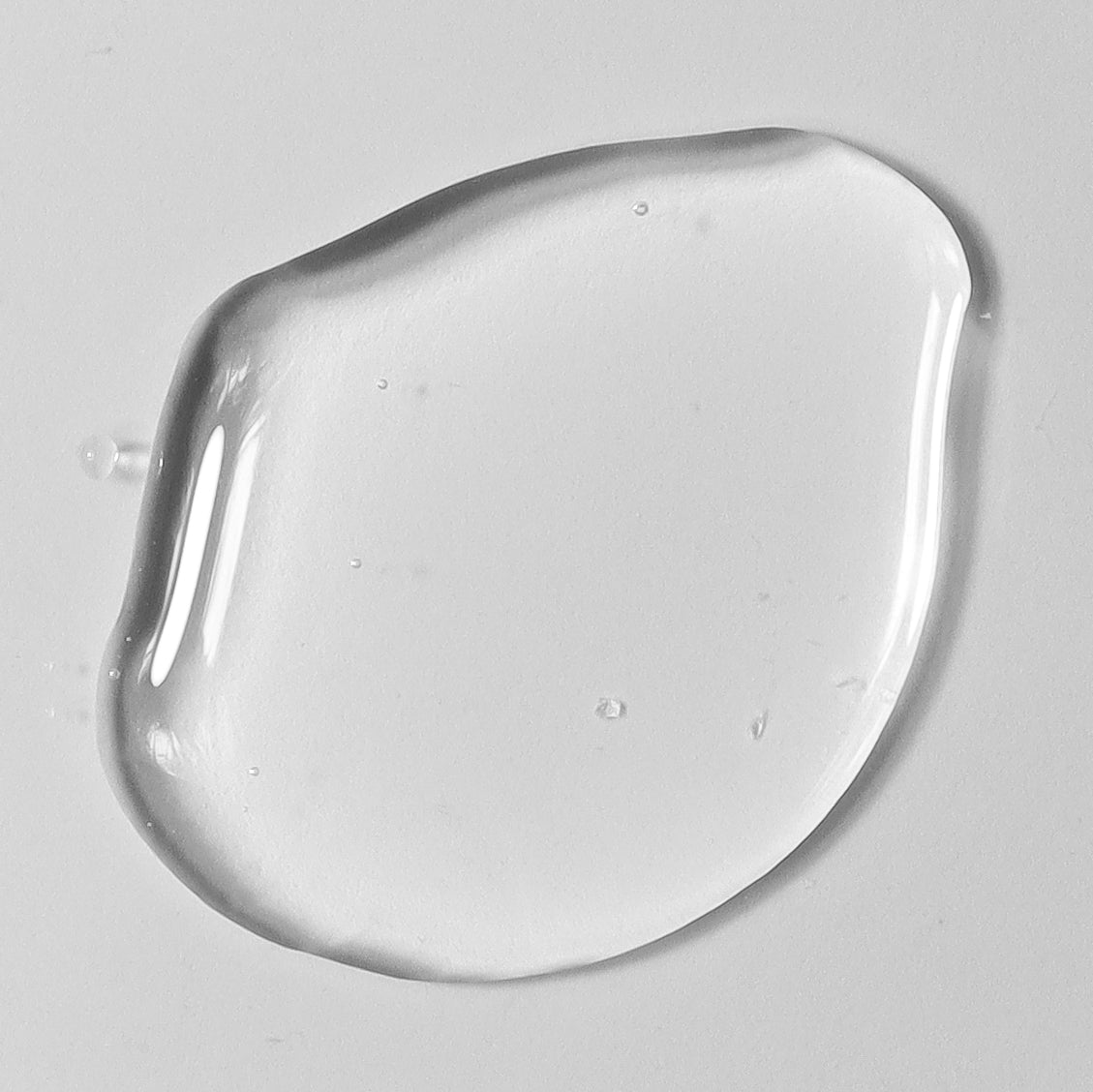
hyaluronic acid gets the marketing budget. glycerin gets the results.
that's an overstatement, and we'll walk it back in a moment, because both ingredients work. but there's something worth noticing about how skincare marketing operates: glycerin has been in moisturizers for over a century, it costs almost nothing, it's in nearly every product on the shelf, and no brand builds a campaign around it. it's the ingredient that's too basic to sell.
we build our formulas around it anyway, and we think it's worth explaining why.
what glycerin actually does
glycerin is a humectant. humectants are water magnets: they attract moisture and hold it in place. in skincare, that means glycerin draws water into the outer layer of your skin and keeps it there, which is what "hydrated" actually means at a physical level.
what makes glycerin unusually good at this:
it's small. glycerin's molecular size lets it move into the upper layers of the stratum corneum rather than sitting entirely on the surface. many humectants, including standard-weight hyaluronic acid, are far larger and mostly work at the surface.
it does more than attract water. research has associated glycerin with supporting the skin's natural desquamation process (how dead cells shed properly rather than piling up as flakiness) and with barrier function generally. it isn't only a sponge.
it's exhaustively studied. glycerin has been used in skin formulation for well over a hundred years. the evidence base behind it is deeper than that of almost any trending ingredient, simply because it's had the time.
it's tolerated by nearly everyone. low irritation potential, no fragrance, no sensitization concerns at typical use levels. that matters if your skin reacts to things.
glycerin vs. hyaluronic acid: the honest comparison
let's be fair to hyaluronic acid first. it's a genuinely good humectant. it holds an impressive amount of water relative to its weight, it's naturally present in your skin, and formulas using multiple molecular weights can deliver hydration at different depths. nobody should throw out a serum they like.
but a few things are true that the marketing doesn't mention:
both are humectants doing the same fundamental job. attracting and holding water. neither has a mechanism the other lacks.
studies comparing them have not established hyaluronic acid as clearly superior for everyday hydration. in several head-to-head comparisons, glycerin performs comparably or better. "holds 1,000 times its weight in water" is a laboratory measurement, not a promise about your face.
hyaluronic acid is expensive and marketable. glycerin is cheap and boring. that difference explains a lot about which one ends up on the front of the bottle.
skin feel differs. hyaluronic acid serums are frequently described as tacky or sticky, especially at higher concentrations. that's the single most common complaint about them, and it's a real reason people stop using products.
the dry-air question. you'll see it claimed that hyaluronic acid can pull moisture out of your skin in very dry conditions. the evidence for this is thinner than the confidence with which it's repeated, and it likely depends on formulation and whether an occlusive goes on top. we'd rather not overclaim: seal any humectant with a moisturizer in dry air, whichever one you're using, and the question mostly stops mattering.
the honest conclusion isn't that hyaluronic acid is bad. it's that it became the default because it markets well, and glycerin quietly does the same job with a longer track record and a better texture.

how to use glycerin on your skin (and how not to)
don't apply pure glycerin to your face. this is the most common mistake, and it's the reason "can i put glycerin directly on my skin" is such a frequent question. undiluted glycerin is intensely hygroscopic and can feel sticky and heavy. it belongs in a formulation, at a sensible concentration, alongside other ingredients.
apply to damp skin. humectants work best when there's water available to grab. after cleansing, while your face is still slightly damp, is ideal.
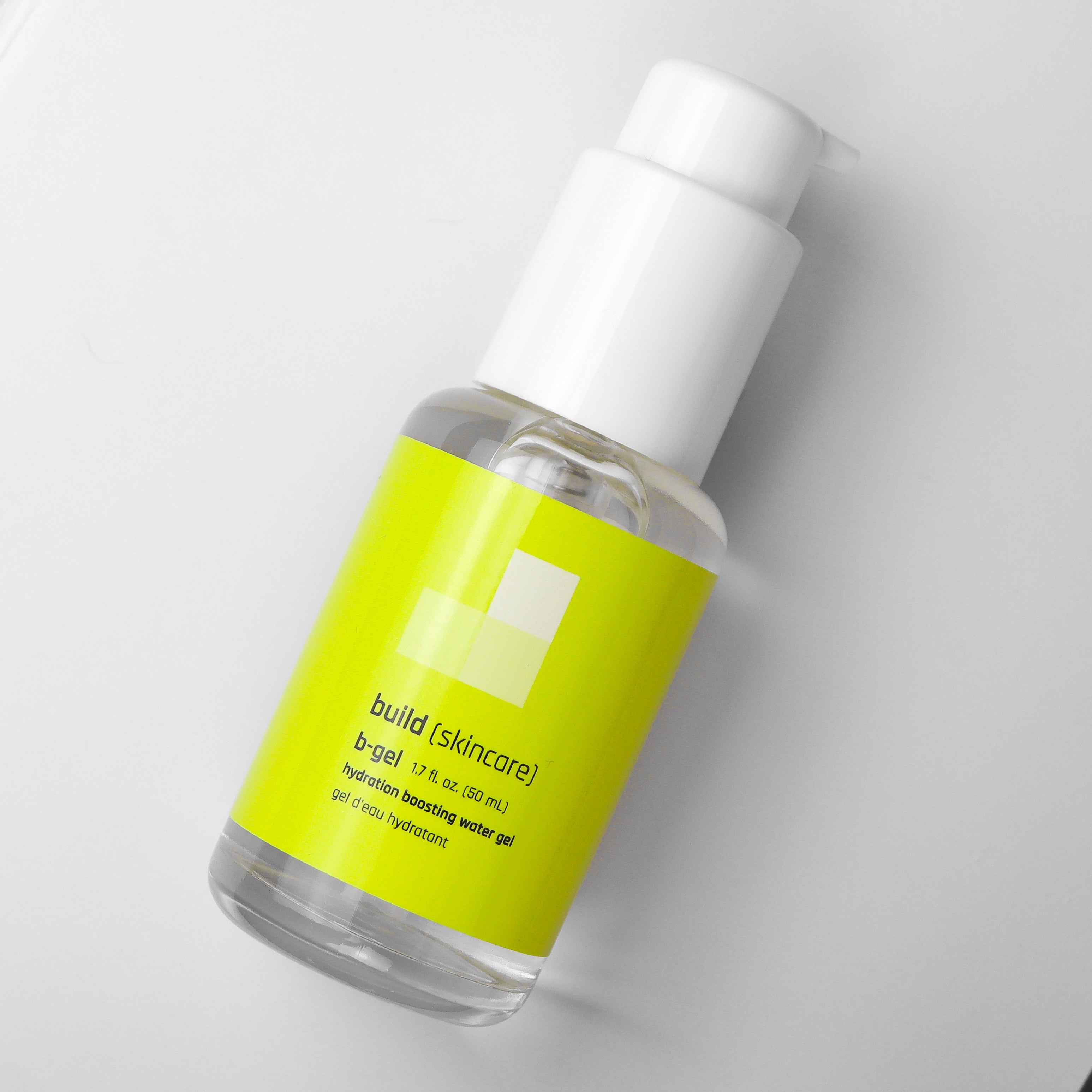
seal it in. a humectant adds water; a moisturizer keeps it there. this is why we suggest b-gel followed by b-cream, or b-gel mixed into b-cream if you prefer one step. in winter, b-balm on top of either seals things properly.
check the position on the ingredient list. glycerin near the top of an ingredient list means a meaningful concentration.
why we use six humectants instead of one
here's the thing single-ingredient marketing obscures: no humectant is best at everything. they differ in how much water they hold, how deeply they work, how they feel, and how they behave in humid versus dry conditions.
so b-gel uses six of them together:
- glycerin, the foundation, for the reasons above
- propanediol, which hydrates and improves how the whole formula feels
- methyl gluceth-10, which delivers glycerin-like hydration with a lighter, silkier finish
- sorbitol, a sugar-derived humectant that draws water to the surface
- betaine, an osmolyte that helps skin regulate its own water balance
- propylene glycol, a small humectant that also helps other ingredients absorb
each one covers a slightly different part of the job, and the blend was balanced as much for feel as for function. that's the part that gets skipped in ingredient marketing: a formula that hydrates beautifully but feels sticky is a formula people abandon.
no hyaluronic acid. not because we're against it, but because we didn't need it to build something that hydrates well and disappears into the skin
the case for boring ingredients
there's a pattern in skincare where the ingredient with the best story wins over the ingredient with the best evidence. glycerin is the clearest example. it has no origin myth, no exotic sourcing, no dramatic before-and-after. it simply works, cheaply, for nearly everyone, and has done for a century.
we find that reassuring rather than disappointing. skincare that works is mostly a matter of getting unremarkable things right and doing them consistently. that's the whole idea behind what we make.
frequently asked questions
is glycerin good for your skin?
yes. glycerin is one of the most studied and widely used humectants in skincare. it draws water into the outer layers of the skin, supports barrier function, and is well tolerated by most skin types, including sensitive skin.
can you put glycerin directly on your face?
not undiluted. pure glycerin is very sticky and can feel heavy. use it as part of a formulated product, where it's at an appropriate concentration and balanced with other ingredients.
is glycerin better than hyaluronic acid?
both are humectants that attract and hold water, and comparative studies have not established hyaluronic acid as clearly superior for everyday hydration. glycerin is smaller, better studied, far cheaper, and generally less tacky. hyaluronic acid is a good ingredient with a much bigger marketing budget.
do you need hyaluronic acid in your skincare routine?
no. it's a good humectant, not a required one. a well-formulated product built on glycerin and other humectants can hydrate just as effectively. what matters is that your routine includes something that adds water and something that seals it in.
is glycerin good for dry skin?
it's one of the better options, especially when layered under a moisturizer. glycerin adds water; an occlusive or emollient on top keeps it from evaporating. for very dry skin, a humectant plus a sealing/slugging balm (like b-balm) is more effective than either alone.
is glycerin safe for sensitive or acne-prone skin?
generally yes. glycerin has low irritation potential, is fragrance-free, and is non-comedogenic at typical use levels. as always, patch test new products.
what does a water gel moisturizer do?
a water gel is a lightweight, humectant-rich hydrator with little to no oil. it adds water to the skin and absorbs quickly without heaviness, which suits oily and combination skin, humid weather, or anyone who wants hydration under a moisturizer rather than instead of one.
build a routine with b-gel
every routine starts with the basics. here’s how b-gel fits in to give your skin the care it needs without complication. new to simple routines? here's how to build a 3-step skincare routine.


